
التخطّي إلى المحتوى الرئيسي
بحث
بحث
بحث
أماكن الإقامة
أماكن الإقامة
رحلات الطيران
رحلات الطيران
الباقات
الباقات
العروض
فتح التطبيق
AED
سجل منشأتك
الدعم
رحلاتي
Communication Center icon
تسجيل الدخول
اكتشف تخفيضات فوريّة مع الأسعار الخاصة بالأعضاء
تسجيل الدخول
تعليقات النزلاء
أوروبا
كليبشام
أوكهام
إنجلترا
المملكة المتحدة
أوروبا
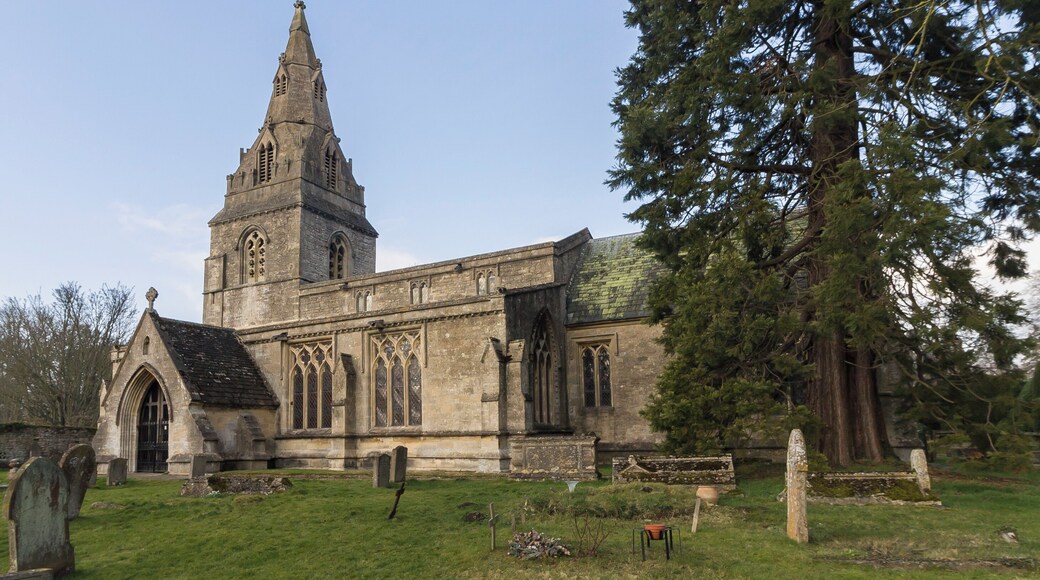
It was the end of a freezing cold February day when we arrived at Clipsham church. We had done several churches in Rutland, and this was tacked on the end, due to the interesting mediaeval glass which I wanted to see before returning home. The church is only a small distance from the A1, in the eastern part of Rutland. The window itself is the east window of the north Chapel which now houses the organ. Access is difficult, and the organ is placed about 5 feet away from the window. This makes photography surprisingly difficult, even with a wide-angle lens. The church dates from the twelfth century onwards and consists of a west tower and spire, nave with clerestory, aisles, chancel with north aisle, and south porch. The tower dates from circa 1300 with three stages and a spire. It has a short pyramid roof with small decorated, battlemented turrets. The spire is broached with lucarnes. The nave has three bay north and south arcades, the northern is Norman with rounded arches and circular piers. The south arcade dates from circa 1200 with circular piers and octagonal capitals. There is a Norman font and piscina in the south aisle. The clerestory has two-light windows. There is a north chancel Chapel with a two-bay arcade. The roof dates from the nineteenth century. The church was restored in 1858 when much of the Victorian glass was added. There is a set of 19th-century oak pews, a lectern and pulpit, and carved reredos from circa 1860. The east window of the north chapel contains glass containing coats of arms and depictions of mediaeval birds dating from the fifteenth century. Pic by Jenny.
صورة
بواسطة
Jules & Jenny
(
Creative Commons Attribution 2.0
)
It was the end of a freezing cold February day when we arrived at Clipsham church. We had done several churches in Rutland, and this was tacked on the end, due to the interesting mediaeval glass which I wanted to see before returning home. The church is only a small distance from the A1, in the eastern part of Rutland. The window itself is the east window of the north Chapel which now houses the organ. Access is difficult, and the organ is placed about 5 feet away from the window. This makes photography surprisingly difficult, even with a wide-angle lens. The church dates from the twelfth century onwards and consists of a west tower and spire, nave with clerestory, aisles, chancel with north aisle, and south porch. The tower dates from circa 1300 with three stages and a spire. It has a short pyramid roof with small decorated, battlemented turrets. The spire is broached with lucarnes. The nave has three bay north and south arcades, the northern is Norman with rounded arches and circular piers. The south arcade dates from circa 1200 with circular piers and octagonal capitals. There is a Norman font and piscina in the south aisle. The clerestory has two-light windows. There is a north chancel Chapel with a two-bay arcade. The roof dates from the nineteenth century. The church was restored in 1858 when much of the Victorian glass was added. There is a set of 19th-century oak pews, a lectern and pulpit, and carved reredos from circa 1860. The east window of the north chapel contains glass containing coats of arms and depictions of mediaeval birds dating from the fifteenth century. Pic by Jenny.
صورة
بواسطة
Jules & Jenny
(
Creative Commons Attribution 2.0
)
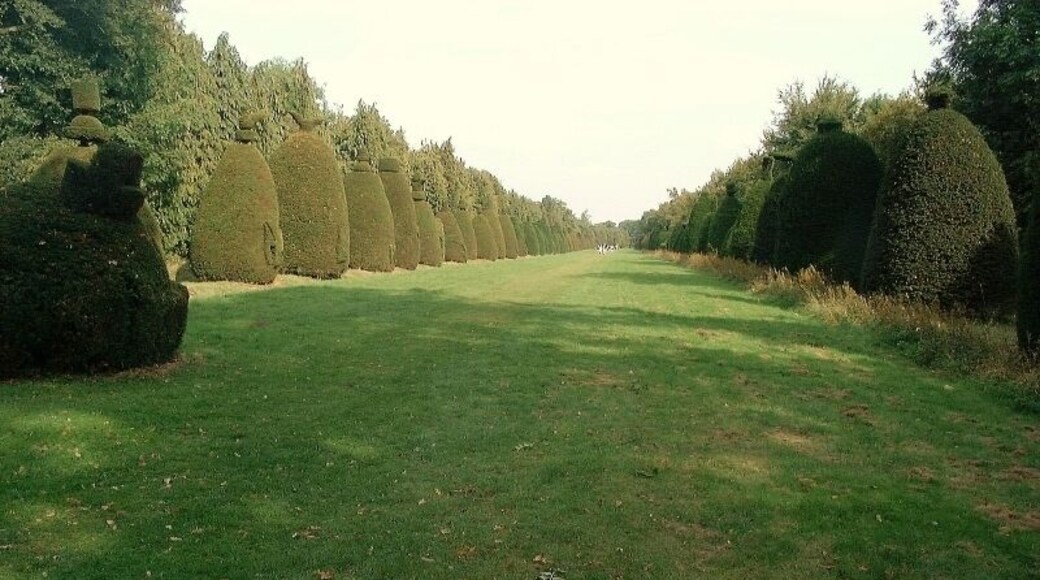
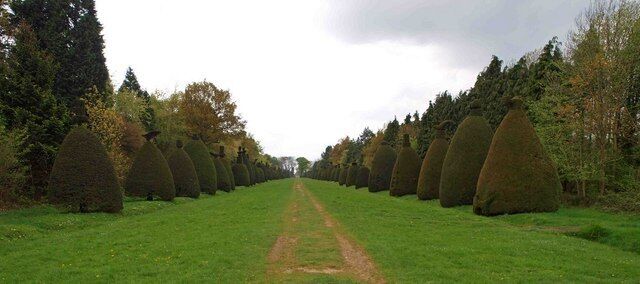
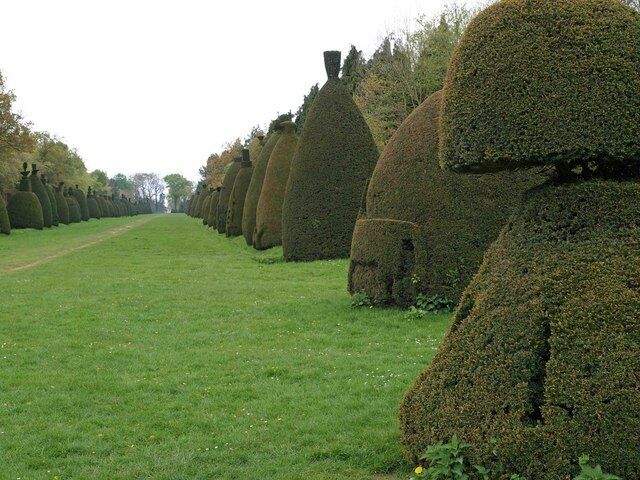
Clipsham: Yew Tree Avenue
صورة
بواسطة
Eugene Birchall
(
Creative Commons Attribution-Share Alike 2.0
)
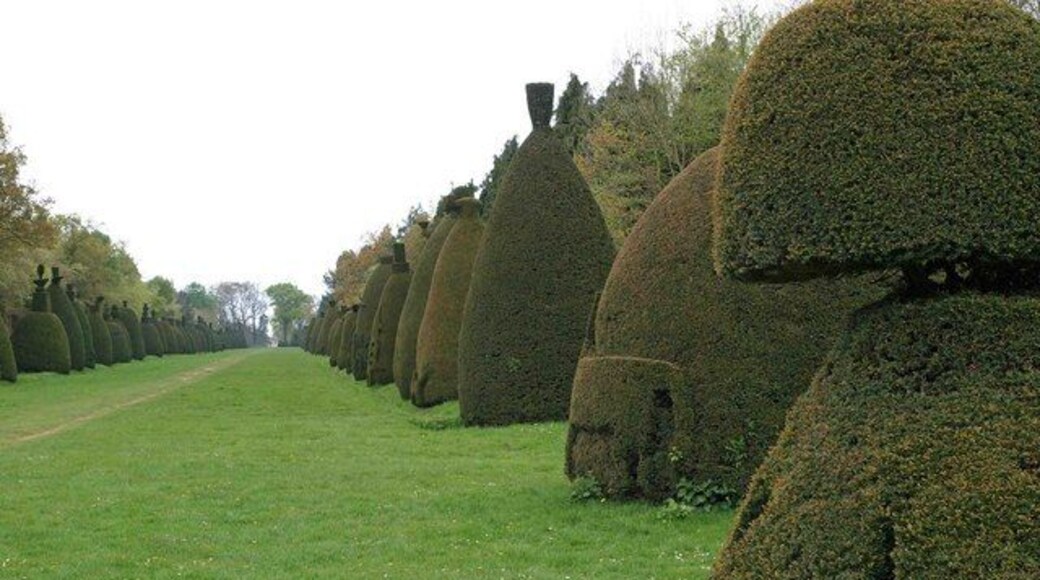
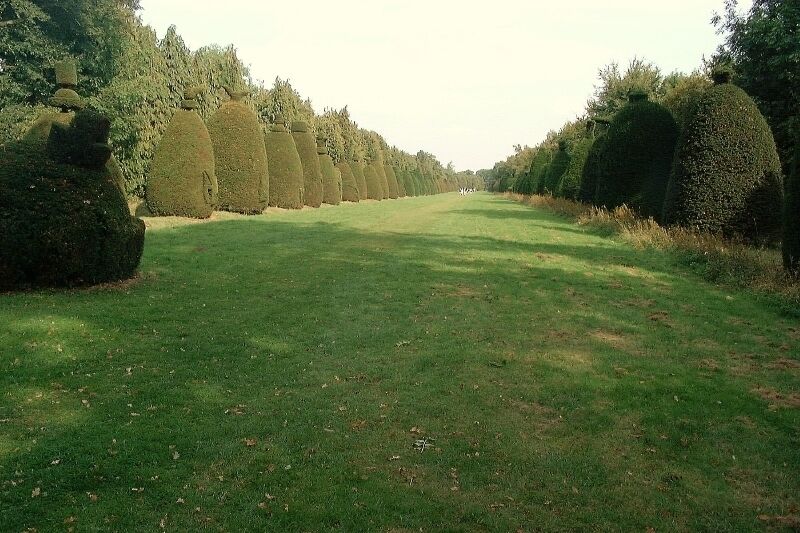
The Clipsham Yew Tree Avenue — located in the Clipsham Hall Park, near Clipsham, England. The topiary avenue (landscape allée) stretches for 500 metres (1,600 ft), with ~150 shaped yew trees—Taxus baccata topiary lining the former carriage drive to Clipsham Hall. Yew tree trimming was started by Amos Alexander in 1870 whilst living at the gatehouse. The Forestry Commission took over the avenue in 1955 and has continued with the tradition.