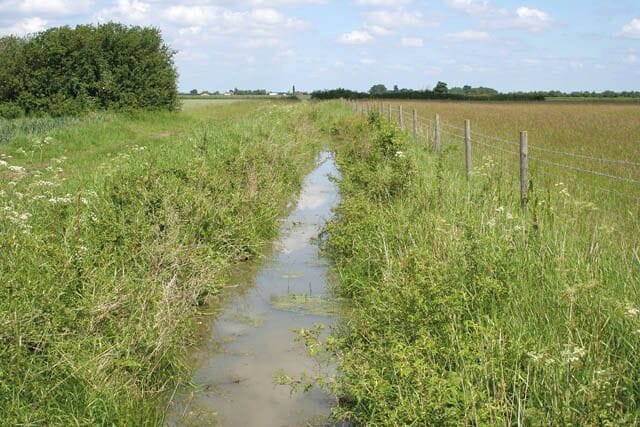
Fulbeck
Travel Guide
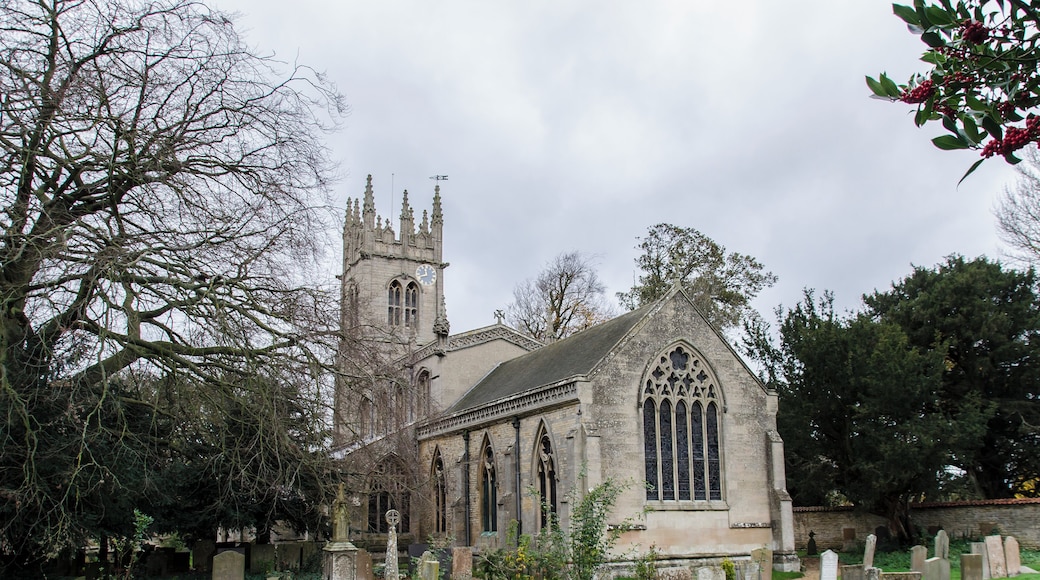


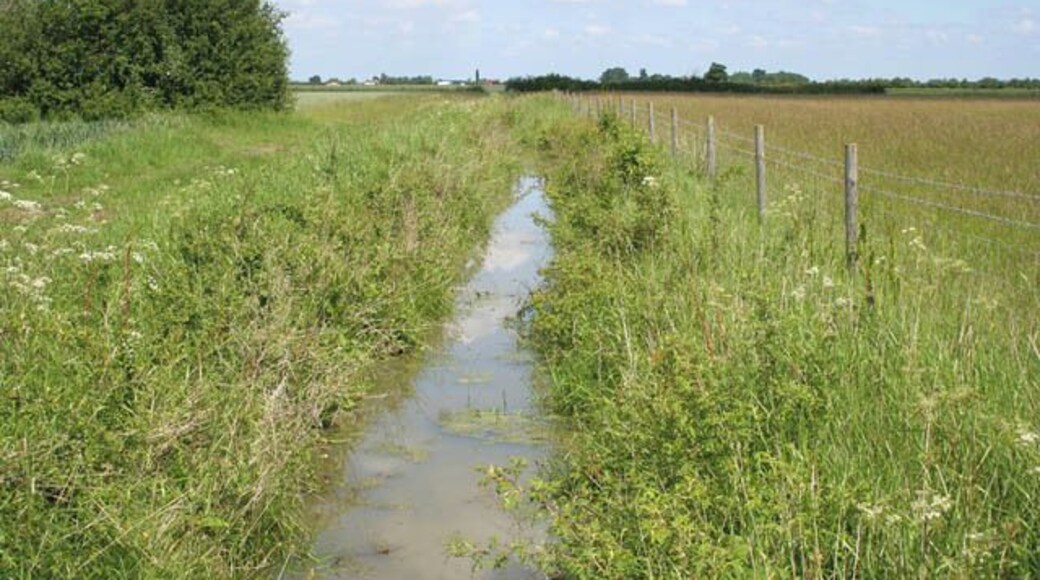
Visit Fulbeck

Urban Hotel Grantham
Swingbridge Rd Grantham England
The price is AED 204 per night from Sep 27 to Sep 28
AED 204
AED 245 total
27 Sep - 28 Sep
includes taxes & fees
Stay at this hotel in Grantham. Enjoy free WiFi, free parking, and a 24-hour front desk. Popular attractions Grantham Meres Leisure Centre and Meres Leisure ...
8.2/10 Very Good! (242 reviews)
"G"
Reviewed on 24 September 2026

Woodcocks, Lincoln by Marston's Inns
Saxilby Road Lincoln England
The price is AED 206 per night from Oct 25 to Oct 26
AED 206
AED 247 total
25 Oct - 26 Oct
includes taxes & fees
Stay at this inn in Lincoln. Enjoy free WiFi, free parking, and breakfast (surcharge). Our guests praise the helpful staff and the clean rooms in our reviews. ...
9/10 Wonderful! (1,000 reviews)
"The breakfast pricing was confusing on the first night they said the food would take an hour to arrive a large glass of qine was nearly £10.00 when thr food arrived the waiter/manager just plonked it down and rushed off to serve someone else he didnt even offer us a second drink. the breakfast menu ..."
Reviewed on 21 September 2026

DoubleTree by Hilton Lincoln
Brayford Wharf North Lincoln England
The price is AED 296 per night from Oct 4 to Oct 5
AED 296
AED 356 total
4 Oct - 5 Oct
includes taxes & fees
Book a stay at this business-friendly hotel in Lincoln. Enjoy free WiFi, breakfast (surcharge), and 24-hour room service. Our guests praise the helpful staff ...
8.2/10 Very Good! (1,000 reviews)
"Clean and spacious room. Breakfast was excellent"
Reviewed on 6 September 2026
Lowest nightly price found within the past 24 hours based on a 1 night stay for 2 adults. Prices and availability subject to change. Additional terms may apply.
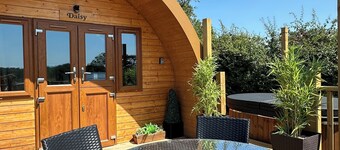
Southwell Retreat Glamping Pods
Normanton Road Southwell England
Book a stay at this golf campground in Southwell. Enjoy free parking, 3 hot tubs, and a garden. Popular attractions The Workhouse, Southwell and Southwell Library ...
9.8/10 Exceptional! (30 reviews)
"For checking in, You could only get access to the gate by calling the number, but for a traveler like me with data only on cell phone, I had anxiety coming there. Also no wifi provided so you’re SOL if you’re out of data. Check out was at 10am which is early but they made it at 11am after my request. ..."
Reviewed on 4 September 2026
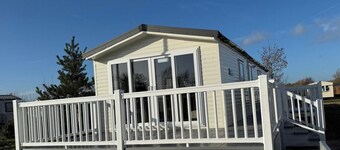
8 Berth Luxury holiday home at Tattershall Lakes. Private Hot-Tub. Pet Friendly
Lincoln England
Enjoy free WiFi, patios, and in-room fireplaces. Popular attractions Tattershall Castle and Just Wake are located nearby.
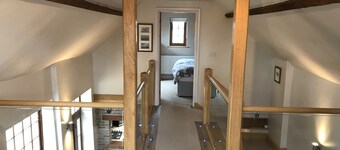
Out Back and Beyond, very rural, just the place to 'get away from it all'
Sleaford ENG
Stay at this vacation home in Sleaford. Enjoy free WiFi, private pools, and a fitness center. Popular attractions Burtey Fen Collection and Boston Road Brick ...
10/10 Exceptional! (105 reviews)
"Amazing, lovely hidden gem away from it all…. With a pool to top it off. Sue and Jim are amazing hosts, we would definitely go again, we couldn’t have asked for more. Would give more stars if we could Thank you again both for letting us stay"
Reviewed on 19 August 2026
Lowest nightly price found within the past 24 hours based on a 1 night stay for 2 adults. Prices and availability subject to change. Additional terms may apply.