
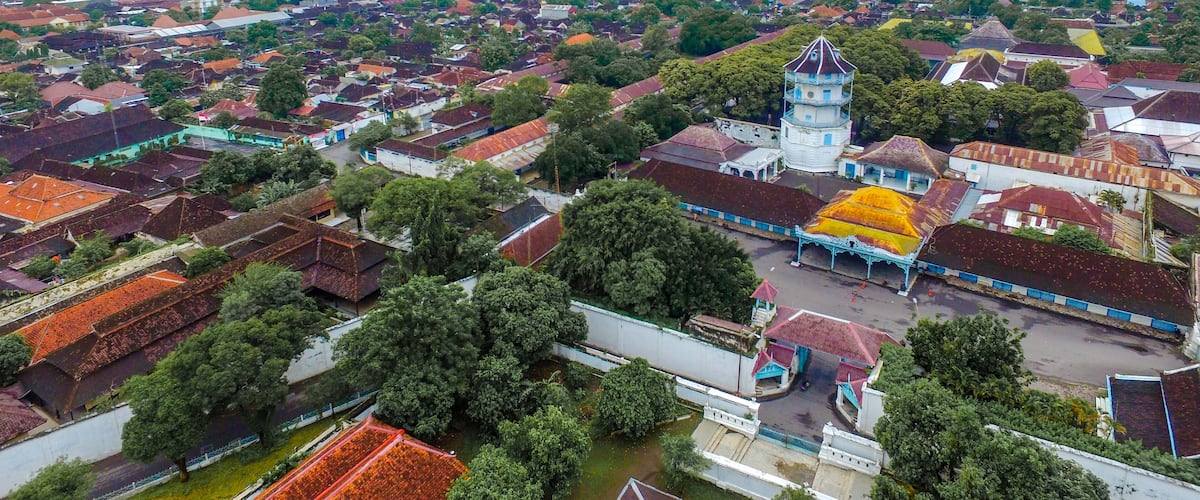
Find Hotels near Adisumarmo Intl. Airport (SOC)
 Change your mindBook hotels with free cancellation
 Be pickySearch almost a million properties worldwide
Check prices for these dates
Our top choices for ${destinationAirportFriendlyName} hotels


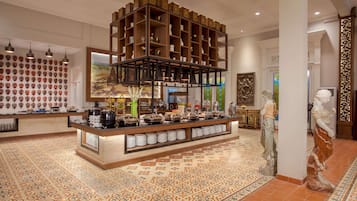

Ramada Suites by Wyndham Solo
Ramada Suites by Wyndham Solo3 km from Surakarta (SOC-Adisumarmo Intl.)
9.0 out of 10, Wonderful, (6 reviews)
"The room was big but worn out, but OK for someone who is just staying there only to sleep. The service is at the hotel or professional, also the breakfast was fantastic The pool was just amazing however it was close to the restaurant and we felt like we are being watched all the time especially because we were wearing bikinis.
The staff at a Ramada was very helpful in all our wishes, however the receptionists could speak better English.
We would stay here again."

Jan
The price is AED 135
AED 163 total
includes taxes & fees
2 Feb - 3 Feb



OYO 94931 Mardi Homestay Syariah
OYO 94931 Mardi Homestay Syariah0.6 km from Surakarta (SOC-Adisumarmo Intl.)
The price is AED 18
AED 22 total
includes taxes & fees
3 Feb - 4 Feb
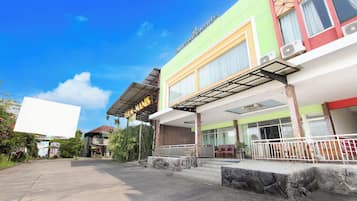
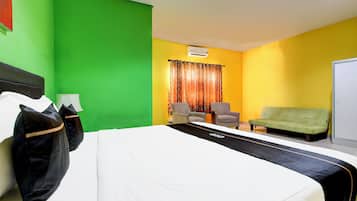


Hotel O Jalan Slamet Riyadi Near Bandara Adi Soemarmo Formerly Amanah Sejahtera
Hotel O Jalan Slamet Riyadi Near Bandara Adi Soemarmo Formerly Amanah Sejahtera0.8 km from Surakarta (SOC-Adisumarmo Intl.)
The price is AED 19
AED 23 total
includes taxes & fees
21 Jan - 22 Jan
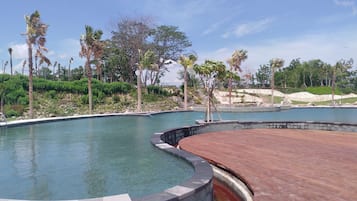


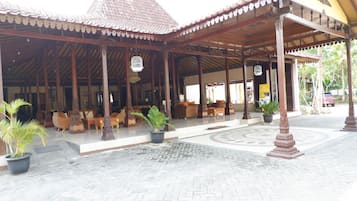
Ataya Hotel by Qinarya
Ataya Hotel by Qinarya1 km from Surakarta (SOC-Adisumarmo Intl.)
The price is AED 48
AED 53 total
includes taxes & fees
27 Jan - 28 Jan


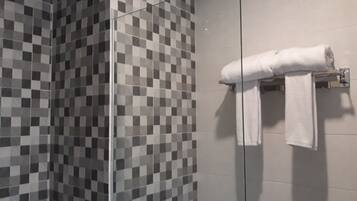

Front One Hotel Airport Solo
Front One Hotel Airport Solo0.8 km from Surakarta (SOC-Adisumarmo Intl.)
The price is AED 76
AED 93 total
includes taxes & fees
20 Jan - 21 Jan



Alila Solo, Java
Alila Solo, Java6.5 km from Surakarta (SOC-Adisumarmo Intl.)
9.2 out of 10, Wonderful, (136 reviews)
"By far the most beautiful hotel I've ever stayed in. Everything is thoughtfully arranged, spotlessly clean and athletically pleasing. The service is also excellent in every way. "

Michele
The price is AED 212
AED 257 total
includes taxes & fees
25 Jan - 26 Jan

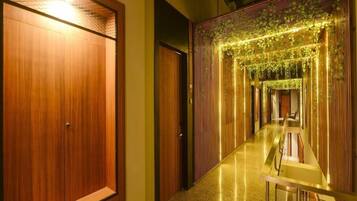


Nata Azana Hotel Solo
Nata Azana Hotel Solo10.7 km from Surakarta (SOC-Adisumarmo Intl.)
9.6 out of 10, Exceptional, (7 reviews)
"Nice "
Pramastuti
The price is AED 98
AED 121 total
includes taxes & fees
26 Jan - 27 Jan
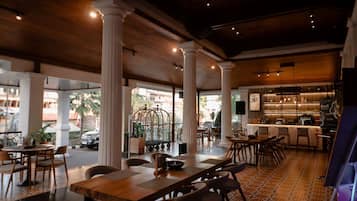

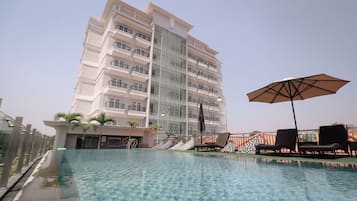

FIM by Zigna
FIM by Zigna9.7 km from Surakarta (SOC-Adisumarmo Intl.)
9.4 out of 10, Exceptional, (6 reviews)
"The hotel is an excellent place to stay. The hotel itself is not special or fancy, but it is well-run, clean, and located in the center of Solo. The breakfast buffet is excellent, the restaurant is good, and the hotel also has a nice cafe with an outside seating area. They featured life music at the cafe on weekend evenings. We saw no other foreign guests, which we saw as a plus. Many staff members speak good English."
Erzo

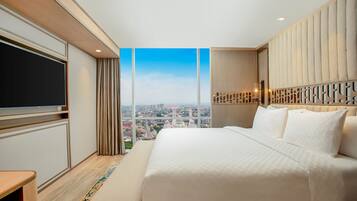


Swiss-Belhotel Solo
Swiss-Belhotel Solo9.2 km from Surakarta (SOC-Adisumarmo Intl.)
9.2 out of 10, Wonderful, (38 reviews)
"Great place to stay! Very modern rooms and great food available at hotel"

Russel
The price is AED 152
AED 185 total
includes taxes & fees
5 Feb - 6 Feb



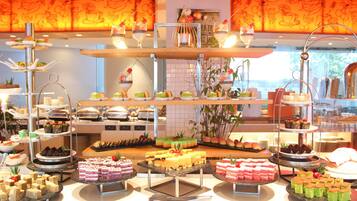
HARRIS Hotel & Conventions Solo
HARRIS Hotel & Conventions Solo7.8 km from Surakarta (SOC-Adisumarmo Intl.)
10.0 out of 10, Exceptional, (4 reviews)
"Helpful staff; comfortable rooms"
Martin
The price is AED 109
AED 131 total
includes taxes & fees
9 Feb - 10 Feb


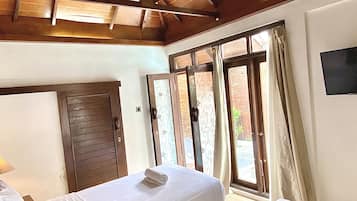

Chrome Hotel & Resort Solo
Chrome Hotel & Resort Solo3.6 km from Surakarta (SOC-Adisumarmo Intl.)
8.4 out of 10, Very Good, (8 reviews)
"the property is very quiet and very private. it was perfect for just relaxing and much needed break"
Anonymous traveler
The price is AED 143
AED 174 total
includes taxes & fees
20 Jan - 21 Jan


The Alana Hotel and Convention Center - Solo by Aston
The Alana Hotel and Convention Center - Solo by Aston4.5 km from Surakarta (SOC-Adisumarmo Intl.)
8.2 out of 10, Very Good, (62 reviews)
"Love the bed and pillows. Amazing.. facilities is great, staff is great. "

windy
The price is AED 172
AED 213 total
includes taxes & fees
18 Feb - 19 Feb

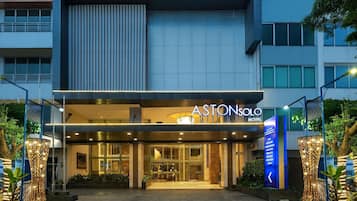


Aston Solo
Aston Solo7.9 km from Surakarta (SOC-Adisumarmo Intl.)
8.6 out of 10, Excellent, (97 reviews)
"Just one night, but the location, breakfast and service is excellent."
Adam
The price is AED 179
AED 222 total
includes taxes & fees
18 Feb - 19 Feb


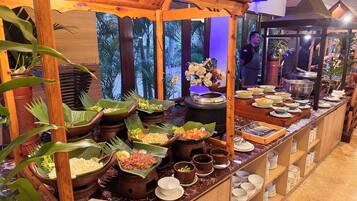
Lorin Syariah Hotel Solo
Lorin Syariah Hotel Solo3.9 km from Surakarta (SOC-Adisumarmo Intl.)
8.0 out of 10, Very Good, (13 reviews)
"Unfortunately the ac seems not cold enough"
Reza
The price is AED 56
AED 69 total
includes taxes & fees
18 Feb - 19 Feb




ibis Styles Solo
ibis Styles Solo9.6 km from Surakarta (SOC-Adisumarmo Intl.)
8.2 out of 10, Very Good, (103 reviews)
"Perfect place for transit..........
Pool is delightful
Bubur Ayam for breakfast 😍"

Helen Julie
The price is AED 79
AED 96 total
includes taxes & fees
2 Feb - 3 Feb
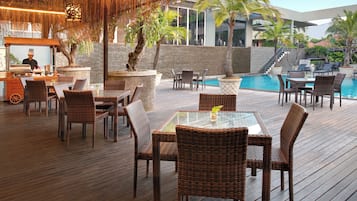



Novotel Solo
Novotel Solo9.6 km from Surakarta (SOC-Adisumarmo Intl.)
8.2 out of 10, Very Good, (113 reviews)
"I like to staying in this place very nice people."
Supartiningsih
The price is AED 101
AED 122 total
includes taxes & fees
2 Feb - 3 Feb




The Royal Surakarta Heritage - Handwritten Collection
The Royal Surakarta Heritage - Handwritten Collection10.9 km from Surakarta (SOC-Adisumarmo Intl.)
8.2 out of 10, Very Good, (166 reviews)
"Very nice room space to layout things, large room, nice bathroom.
A/C terrible had to move rooms once second room OK.
Pool very nice prefect temperature.
Staff helpful but lacked English speaking staff. This is a problem for me.
No place near to eat."
Fraser J
The price is AED 105
AED 127 total
includes taxes & fees
23 Jan - 24 Jan


Rumah Turi Eco Hotel
Rumah Turi Eco Hotel8.8 km from Surakarta (SOC-Adisumarmo Intl.)
7.8 out of 10, Good, (15 reviews)
"Great value for money and in a great spot within town, with a delicious Wedangan Pendopo Javanese restaurant nearby and many cafes within walking distance. Staff were extremely helpful and kind. Would definitely stay again if I return to Solo. "

Basalamah
The price is AED 49
AED 60 total
includes taxes & fees
18 Feb - 19 Feb
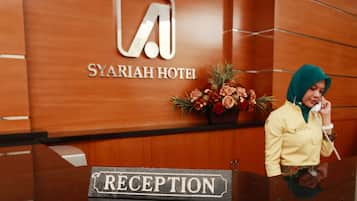
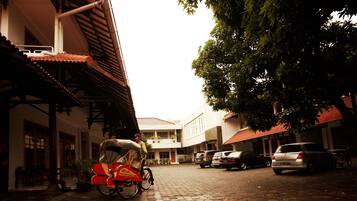
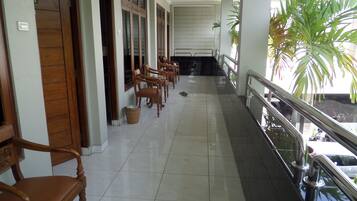

Arini Hotel
Arini Hotel7.9 km from Surakarta (SOC-Adisumarmo Intl.)
7.6 out of 10, Good, (8 reviews)
"Good location"
Silvie
The price is AED 40
AED 49 total
includes taxes & fees
18 Feb - 19 Feb
Lowest nightly price found within the past 24 hours based on a 1 night stay for 2 adults. Prices and availability subject to change. Additional terms may apply.
Top Adisumarmo Intl. Hotel Reviews

Alila Solo, Java
10/10 Excellent


Hotels with Free Airport Shuttle in Ngemplak
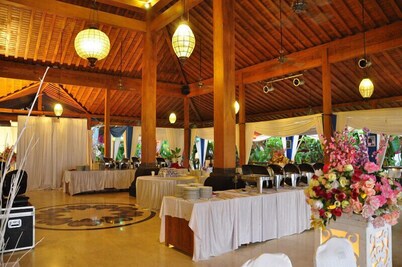
The Gambir Anom Hotel Resort & Convention
Jl. Embakasi Haji No. 24, Solo Ngemplak Central Java
Frequently asked questions
Explore a world of travel with Expedia
Hotels Close to Nearby Airports
Hotels near popular Ngemplak Attractions
- Solo Paragon Lifestyle Mall
- Muhammadiyah University of Surakarta
- Kraton Surakarta
- Klewer Market
- Mangkunegaran Palace
- Gede Market
- The Heritage Palace
- Solo Square
- De' Tjolomadoe
- Danar Hadi
- Nakamura Klinik
- Balekambang City Park
- Hartono Mall
- Sangiran Early Man Site
- Radya Pustaka Museum
- Pasar Klewer
- Bengawan Solo
- Radya Museum Library
- Sriwedari Amusement Park
- Mesjid Agung
Hotels in top Ngemplak neighborhoods
Hotel options around Adisumarmo Intl.
- The Sunan Hotel Solo
- Collection O Solo near Universitas Muhammadiyah Surakarta formerly Kedaton Home
- favehotel Manahan - Solo
- Hotel O Solo near RS JIH Solo formerly Azifa Inn
- Hotel O Solo Point Guest House Syariah
- Aldeoz Villa Ndalem Marwatan Solo
- Swiss-Belinn Saripetojo Solo
- Grand Sae Boutique Hotel
- HARRIS Hotel & Conventions Solo
- POP! Hotel Solo
- Zest Parang Raja Solo by Swiss-Belhotel International
- Aston Solo
- Diamond Hotel Solo
- Red Chilies Hotel
- Aira Living
- Arini Hotel
- Mangkuyudan Hotel Solo
- Megaland Hotel
- Lampion Hotel Solo
- Zigna Kampung Batik