
استكشاف براتلباي
أماكن مشهورة يمكنك زيارتها

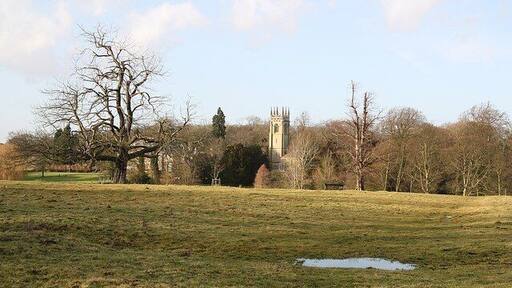
قلعة لنكولن
قلعة لنكولن واحدة من بين الكثير من الأماكن التي يمكنك زيارتها في لنكولن، فلما لا تستمتع بالأشياء الأخرى التي يمكنك استكشافها أثناء رحلاتك؟أضف وجهات التسوق أو الكاتدرائية الجميلة في المنطقة إلى جدول سفرك.
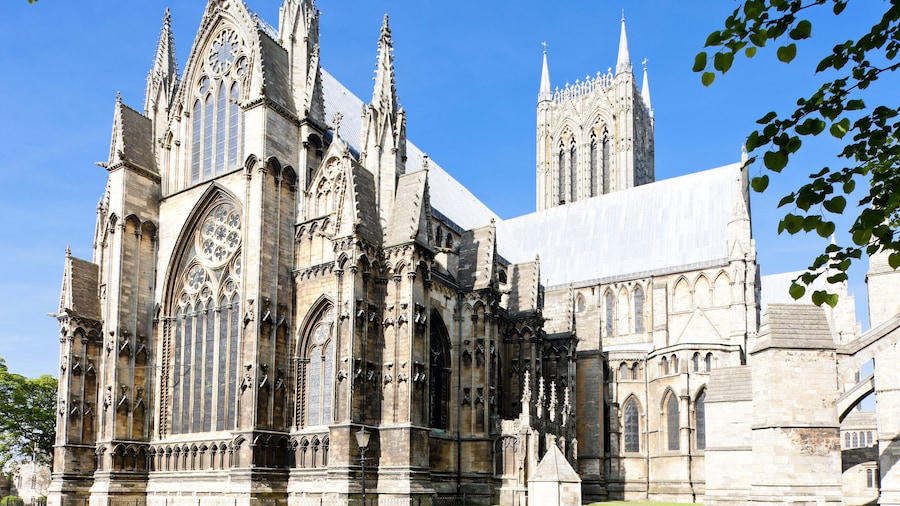
كاتدرائية لنكولن
بعد زيارة كاتدرائية لنكولن، خطط لرؤية المعالم الأخرى والاستمتاع بغير ذلك من الأنشطة في لنكولن.أضف وجهات التسوق أو الكاتدرائية الجميلة في المنطقة إلى جدول سفرك.

قلعة تاتيرشال
يمكنك التعرف على التاريخ المحلي لمدينة تاتيرشال من خلال رحلة إلى قلعة تاتيرشال. في أثناء وجودك بهذه المنطقة الجذّابة، يُمكنك الاستمتاع بالبارات المُفعمة بالحيوية.
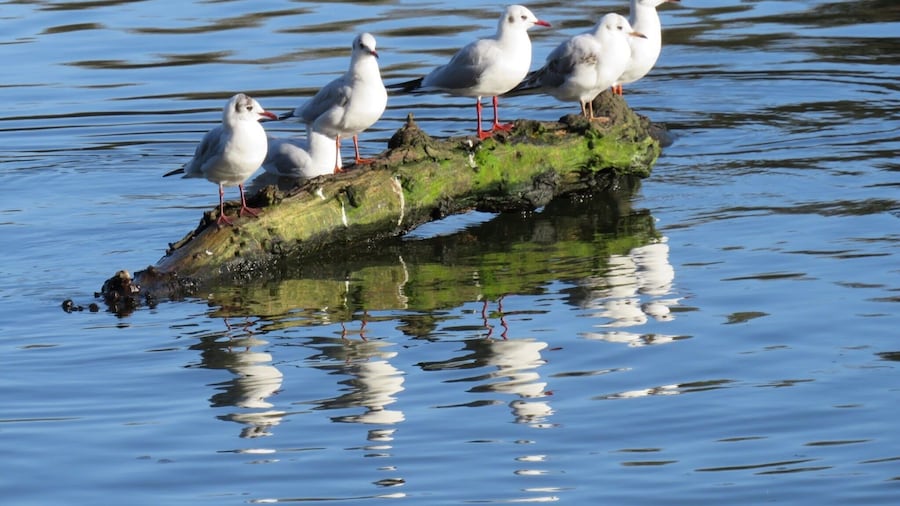
Hartsholme Country Park
استكشف الأماكن المفتوحة الرائعة في Hartsholme Country Park، التي تُعد من المناطق الخضراء الجميلة في لنكولن.خصص وقتًا لزيارة الكاتدرائية الجميلة في المنطقة، أو ببساطة استمتع بالبارات المُفعمة بالحيوية فيها.
جامعة لنكولن
استكشف الحرم الجامعي في جامعة لنكولن، في أثناء رحلاتك إلى لنكولن. خصص وقتًا لزيارة الكاتدرائية الجميلة في المنطقة، أو ببساطة استمتع بالمطاعم الرائعة فيها.
ساحة معارض لينكنشاير شوجراوند
استمتع بنزهة في ساحة معارض لينكنشاير شوجراوند في أثناء إقامتك بNorth Carlton.